IT MAY BE SOMEONE ELSE'S EMERGENCY, BUT HOW YOU RESPOND MAKES ALL THE DIFFERENCE.
One of the most important lessons an EMS provider can learn is that while we respond to emergencies, we cannot allow the chaos of those emergencies to dictate how we perform. For our patients, it may be one of the worst days of their lives. For us, it is our responsibility to remain composed, think critically, and provide the best care possible.
For Field Training Officers (FTOs), that responsibility goes even further.
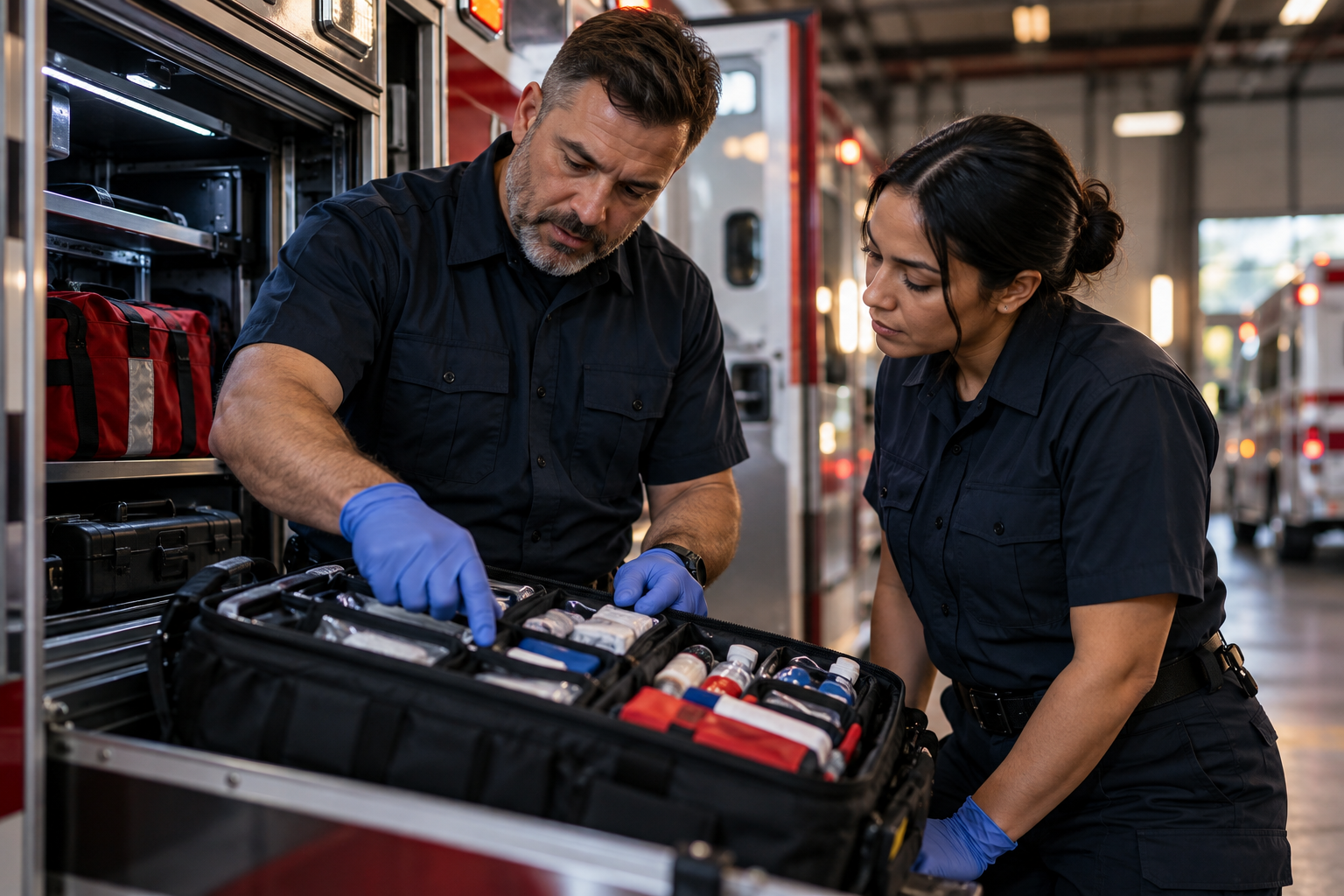
An FTO isn't just responsible for providing patient care. They're also responsible for guiding, educating, and setting an example for the provider learning beside them. The way an FTO approaches a scene, communicates with others, and manages stressful situations can directly influence how a new provider develops their own habits and clinical judgment.
When an FTO becomes overwhelmed, frustrated, or reactive, the trainee often follows that example.
Rushing through assessments, overlooking important findings, or allowing emotions to interfere with communication can create unnecessary risks. Remaining level-headed allows providers to maintain situational awareness, recognize changes in patient conditions, prioritize interventions, and make thoughtful decisions—even when the scene around them feels chaotic.
But staying calm doesn't mean moving slowly or ignoring the urgency of a critical patient. It means moving with purpose instead of panic.
An effective FTO understands when to allow a trainee to take the lead, when to provide guidance, and when immediate intervention is necessary for patient safety. They recognize that teaching doesn't always require a lengthy explanation in the middle of an emergency. Sometimes, a clear instruction, a reassuring tone, or a brief conversation after the call can create a valuable learning experience.
Most importantly, FTOs must remember that new providers are watching more than their clinical skills. They're observing how they handle pressure, speak to patients, interact with other healthcare professionals, and respond when things don't go according to plan.
You aren't just teaching someone how to perform an assessment. You're teaching them how to become a provider.
The strongest FTOs don't create confidence through intimidation or unrealistic expectations. They build it through patience, consistency, accountability, and mentorship.
Every call is an opportunity to reinforce good habits, strengthen critical thinking, and demonstrate what professional leadership looks like.
REMEMBER: YOUR TRAINEE MAY FORGET WHAT YOU SAID, BUT THEY WILL REMEMBER HOW YOU HANDLED THE CALL.
Stay calm. Think clearly. Lead by example. Because the habits you demonstrate today may shape the provider standing beside you tomorrow.
